Why Do NBA Teams Play Back-to-Back Games? 2026–27 Schedule Explained
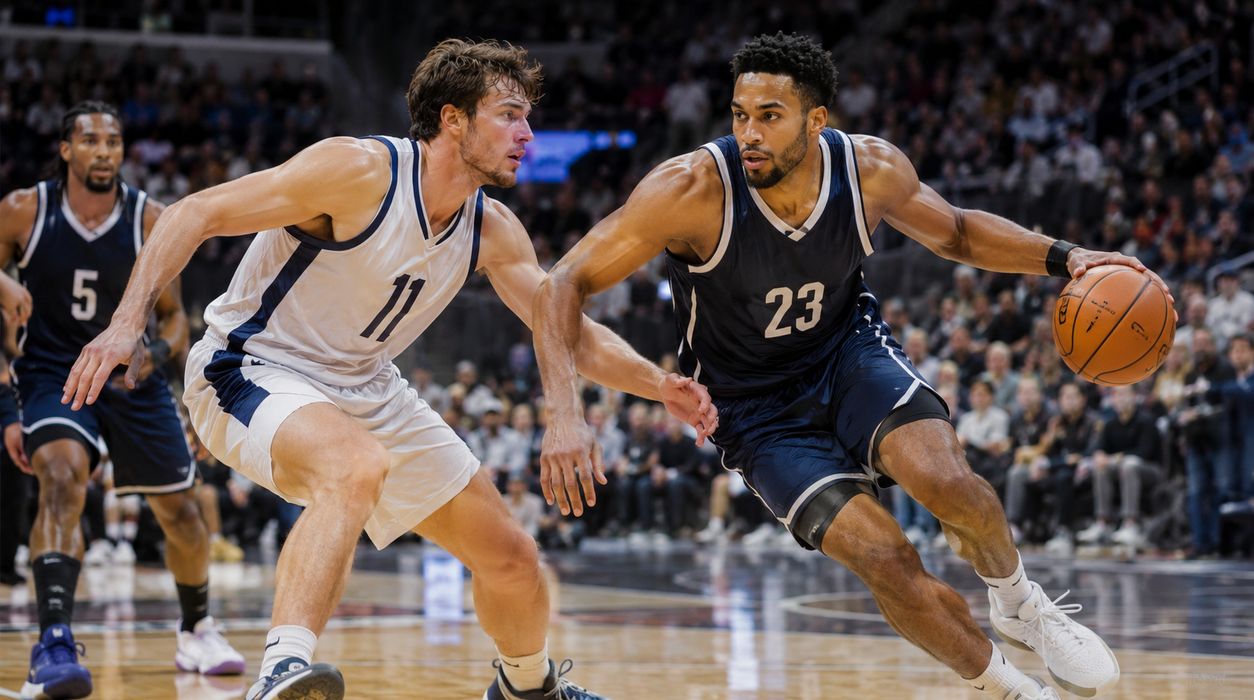
Imagine playing an intense basketball game for more than two hours, leaving the arena late at night, and preparing to do it all again the following evening. For NBA players, that is not an unusual situation. It is part of the regular-season schedule.
If you have ever checked your favorite team’s schedule and wondered why NBA teams play back-to-back games instead of getting a day off between every matchup, there is a practical explanation.
The NBA must organize hundreds of games across North America within a limited season. Arena availability, television broadcasts, travel distances, special events, and competitive fairness all influence the schedule.
The league has worked to reduce particularly demanding stretches, but consecutive game nights remain part of professional basketball.
Here is how NBA back-to-back games work, why they still exist in the 2026–27 season, and what they mean for players and fans.
What Are Back-to-Back Games in the NBA?
A back-to-back happens when an NBA team plays two games on consecutive calendar days without a full day off between them.
For example, a team might play the Chicago Bulls on Friday evening and face the Milwaukee Bucks on Saturday night.
That is one back-to-back set.
The games might take place in the same arena, in two different cities, or against different opponents in the same metropolitan area.
There are three common types:
- Home-to-home: Both games are played at the team’s home arena.
- Away-to-away: Both games are played on the road.
- Home-to-away or away-to-home: The team travels between the two games.
Although each situation involves consecutive game nights, the amount of travel and recovery time can vary significantly.
Two home games generally create fewer logistical problems than playing in one city and traveling hundreds of miles overnight for the next matchup.
Why Do NBA Teams Play Back-to-Back Games?
The biggest reason is scheduling.
Every NBA team plays 82 regular-season games. With 30 teams in the league, that creates 1,230 games across the regular season.
Those games must fit into approximately six months while accounting for holidays, arena bookings, national broadcasts, travel, and special competitions.
Giving every team at least one full day off after every game would require a much longer calendar or a substantially different scheduling structure.
The NBA also needs to coordinate games involving two teams whose availability must match.
For instance, a team may have an open date on Wednesday, but its scheduled opponent could already be playing elsewhere.
The league cannot simply move one game without potentially affecting several others.
That is why back-to-back games continue to exist even as the NBA attempts to make the schedule more manageable.
1. The NBA Regular Season Has Limited Time
The regular season runs from October through April.
During that period, teams must complete their schedules before the postseason begins.
For 2026–27, the season began on October 20, 2026, and is scheduled to finish on April 11, 2027.
The calendar also includes the Emirates NBA Cup, nationally televised games, holiday matchups, and other special events.
According to the NBA’s official 2026–27 schedule announcement, the initial schedule assigned dates to 80 games per team, with two additional matchups determined by NBA Cup results.
That creates another scheduling challenge because some game details cannot be finalized until the competition progresses.
2. NBA Arenas Host More Than Basketball
An NBA arena is rarely used exclusively for basketball.
Many venues also host concerts, professional hockey games, comedy shows, college sporting events, and other entertainment.
Some NBA teams share their buildings with NHL franchises.
When an arena is booked for another event, the basketball team may need to play on the road or adjust its home schedule.
Imagine a team whose home arena is unavailable for several nights because of concerts.
The scheduling system might place two games close together before sending that team on a road trip.
These decisions help the league complete its calendar without creating conflicts at major venues.
3. Television Broadcasts Influence Game Dates
National television is another important part of NBA scheduling.
Networks and streaming platforms want attractive matchups during popular viewing windows.
A rivalry game featuring major stars might receive a nationally televised slot that affects surrounding games.
The NBA must coordinate these broadcasts while trying to avoid unnecessary fatigue.
Not every game receives the same television priority, and teams cannot always choose their preferred dates.
This creates a complicated balancing act between entertainment, scheduling efficiency, and player recovery.
4. Travel Logistics Make Scheduling Complicated
NBA teams travel throughout the United States and Canada.
Some trips involve short flights between nearby cities. Others require traveling across multiple time zones.
Teams often organize road trips to reduce repeated cross-country journeys.
For example, a Western Conference team visiting several Eastern Conference opponents may play those games during one extended trip rather than flying home after every matchup.
Back-to-back games can sometimes help make that travel plan more efficient.
However, they can also create demanding situations when teams must fly immediately after a game.
Anyone interested in how travel affects everyday language can also explore Grandloopy’s guide to safe travel vs. safe travels.
For professional athletes, travel is more than transportation. It is part of their recovery schedule.
How Many Back-to-Back Games Are in the 2026–27 NBA Season?
The NBA has reduced the average number of back-to-back sets compared with many previous seasons.
For the 2026–27 regular season, teams average 14.2 back-to-back sets, according to the league’s official scheduling report.
No team has more than 16 scheduled back-to-back sets.
The league also eliminated several particularly demanding scheduling patterns.
Here are the important figures:
| Scheduling Measure | 2026–27 NBA Season |
|---|---|
| Regular-season games per team | 82 |
| Average back-to-back sets | 14.2 |
| Maximum back-to-back sets per team | 16 |
| Four games in five nights | 0 |
| Eight games in 12 nights | 0 |
| Eighteen games in 30 nights | 0 |
| Back-to-backs involving 750+ miles of travel | 59 |
These numbers show that the NBA is attempting to reduce difficult combinations of travel and consecutive games.
The league reported 59 back-to-backs involving at least 750 miles of travel, compared with 74 during the previous season.
That reduction matters because playing on consecutive nights becomes more challenging when significant travel is involved.
For the latest scheduling details, readers can consult the NBA’s official 2026–27 schedule analysis.
Are Back-to-Back Games Harder for NBA Players?
Yes. Consecutive games can create additional physical and mental challenges.
Basketball requires repeated sprinting, jumping, sudden stops, changes of direction, and physical contact.
Even players who appear comfortable during a game may experience muscle soreness and fatigue afterward.
The challenge becomes greater when there is limited time for recovery before the next matchup.
Physical Fatigue
An NBA game involves far more than the minutes shown in a player’s box score.
Athletes warm up, practice movements, participate in team activities, and prepare mentally before stepping onto the court.
After the game, they may receive treatment, eat, travel, and review their performance.
During a back-to-back, that routine must happen within a much shorter period.
Players who log heavy minutes in the first game may have less time to recover before the second.
Sleep and Recovery
Sleep is an important part of athletic recovery.
Travel after a late game can reduce the time available for uninterrupted rest.
A team might finish a game, complete media responsibilities, travel to the airport, and arrive at its hotel early the next morning.
That does not automatically mean every player will perform poorly the following night.
However, it creates additional recovery demands.
Teams attempt to manage those demands through scheduling, nutrition, treatment, and adjusted training routines.
Mental Fatigue
Basketball also requires constant concentration.
Players must recognize defensive coverages, remember offensive assignments, communicate with teammates, and make decisions under pressure.
A tired player may find those tasks more demanding.
This is especially important in close games, where one missed rotation or poorly timed pass can influence the outcome.
Coaches therefore consider both physical readiness and mental sharpness when preparing for consecutive games.
Do NBA Teams Perform Worse on the Second Night?
The second game of a back-to-back can be more difficult, but losing is not inevitable.
Performance depends on several factors, including opponent strength, travel, injuries, playing time, and the amount of rest each team has received.
A team playing its second consecutive game against a well-rested opponent may face a disadvantage.
But a deep roster can help reduce the burden on individual players.
Some teams also perform well in demanding situations because their systems are familiar and their players understand their responsibilities.
It is important to distinguish a possible fatigue disadvantage from a guaranteed result.
A back-to-back does not automatically make a strong team weak.
Why the First Game Matters
The intensity of the first game can influence the second.
A comfortable victory that allows starters to rest during the fourth quarter may create a different recovery situation from an overtime game in which several players log heavy minutes.
Travel also matters.
A team that remains in the same city has a different overnight routine from one that must immediately fly to another destination.
When evaluating a back-to-back matchup, looking only at the schedule misses these important details.
How Do NBA Coaches Manage Back-to-Back Games?
Coaches and medical staffs use several strategies to help players handle consecutive games.
One approach involves managing minutes.
Instead of asking a starter to play an unusually heavy workload in both games, a coach may distribute playing time more evenly across the roster.
Another strategy involves changing practice plans.
Teams generally do not need a demanding full practice between games when recovery time is limited.
Coaches may focus on film review, short meetings, and tactical preparation.
Player availability decisions also depend on medical assessments and league rules.
Using Bench Players
A strong bench can be valuable during back-to-back games.
Reserve players provide opportunities for starters to recover while the team maintains its competitive intensity.
This does not mean every bench player receives additional minutes during consecutive games.
Rotations depend on matchups, player availability, and coaching decisions.
However, roster depth gives teams more flexibility.
Basketball often depends on coordinated effort rather than individual talent alone. Grandloopy’s article on basketball metaphors and teamwork explores how teamwork is frequently used to describe the sport.
Adjusting Playing Style
Coaches may also make tactical adjustments.
A team might emphasize controlling possessions, limiting turnovers, or avoiding unnecessary defensive mistakes.
These changes are not exclusive to back-to-backs, but they can become especially useful when players are tired.
Good decision-making often matters as much as athletic energy.
A disciplined team can sometimes overcome a difficult schedule by executing its game plan effectively.
What Is Load Management in the NBA?
Load management refers to decisions intended to manage a player’s physical workload over time.
Those decisions may involve playing minutes, training intensity, recovery routines, or availability.
The phrase is often associated with resting star players, but workload management is broader than simply sitting out games.
NBA teams consider a player’s injury history, current condition, recent minutes, and medical information.
The league also has a Player Participation Policy that affects how teams handle the availability of certain players.
Teams cannot assume they may rest any player for any reason without considering applicable rules.
Importantly, appearing on the second night of a back-to-back does not automatically justify missing a game.
Medical circumstances and league requirements must be evaluated individually.
Are Back-to-Back Games Fair to Every NBA Team?
Scheduling fairness is one of the NBA’s biggest challenges.
Every team plays 82 regular-season games, but teams do not necessarily receive identical travel demands or the same number of back-to-back sets.
One team might have more consecutive games at home.
Another might experience more difficult travel during its back-to-backs.
The NBA attempts to balance these differences while meeting the league’s many scheduling requirements.
For 2026–27, the league also protected certain major television and special-event games from having a game scheduled the previous day.
These decisions help reduce some of the most demanding situations, although they do not make every team’s calendar identical.
The challenge of creating a balanced schedule is similar to the broader idea of maintaining consistency under pressure.
Grandloopy explains the distinction between constant and consistent in a separate language guide.
For NBA teams, consistent performance is the goal even when their schedules are not perfectly uniform.
Why Doesn’t the NBA Simply Eliminate Back-to-Back Games?
Removing every back-to-back would sound appealing from a recovery perspective.
However, doing so would require major scheduling changes.
The league could consider extending the season, reducing the number of games, or reorganizing the calendar.
Each possibility introduces new complications.
A longer season could affect the postseason, summer preparation, international competitions, and other basketball activities.
Reducing games would affect ticket inventory, broadcasts, arena operations, and the league’s overall business structure.
Changing arena schedules would require coordination with many other organizations.
Consequently, the NBA has focused on reducing the most difficult back-to-back situations rather than eliminating consecutive games entirely.
This approach attempts to preserve the existing regular-season format while improving conditions for players.
How Do Back-to-Back Games Affect NBA Fans?
Back-to-backs matter to fans for several reasons.
First, player availability may become a bigger talking point.
Fans who buy tickets hoping to see a particular star may pay close attention to injury reports and workload decisions.
Second, consecutive games can influence how analysts discuss matchups.
A team playing on short rest may receive additional scrutiny, particularly if its opponent has enjoyed several days off.
Third, back-to-backs create interesting storylines.
A team might suffer a difficult defeat on Friday and immediately have an opportunity to respond on Saturday.
That quick turnaround can reveal how well a roster handles pressure.
For fans writing game recaps or describing dramatic moments, Grandloopy also offers 50+ basketball similes with examples.
How Can Fans Identify Back-to-Back Games?
Finding consecutive games is simple once you know what to look for.
Start with your favorite team’s official schedule.
Look for two games listed on consecutive dates.
For example:
- Monday: Team A vs. Team B
- Tuesday: Team A vs. Team C
- Wednesday: No game
Monday and Tuesday form a back-to-back.
You can use the official NBA team-by-team schedule index to examine the 2026–27 calendar.
When reviewing a matchup, check whether the team is playing at home or away, whether travel is involved, and how much rest its opponent has received.
Those details provide a more complete picture than the back-to-back label alone.
Can Back-to-Back Games Help Teams Improve?
Although consecutive games are physically demanding, they can create opportunities for teams to develop useful habits.
Players must prepare quickly, communicate clearly, and respond to unexpected challenges.
Coaches may learn which rotations work when the roster is under pressure.
Younger players may also receive opportunities when teams adjust their lineups.
However, these possible benefits do not erase the physical demands.
A difficult schedule should not be confused with an ideal training method.
The main objective remains playing competitive basketball while protecting player health.
Handling a demanding stretch is one of the many challenges teams face during a long season.
For another look at the meaning and everyday use of the word, see Grandloopy’s challenge vs. challange guide.
Frequently Asked Questions
How many back-to-back games does an NBA team play?
For the 2026–27 season, NBA teams average 14.2 back-to-back sets. No team has more than 16 scheduled sets.
Do NBA teams play three nights in a row?
Three games on three consecutive nights are not part of the normal modern NBA regular-season schedule. Back-to-backs involve two consecutive game days.
Do NBA players get rest days?
Yes. NBA teams have scheduled days without games throughout the season. Recovery and practice routines vary depending on the calendar.
Are back-to-back games more difficult on the road?
They can be, especially when teams must travel long distances overnight. The difficulty depends on travel time, sleep opportunities, opponent strength, and other factors.
Can NBA stars sit out back-to-back games?
Player availability depends on medical circumstances, team decisions, and NBA participation rules. Being scheduled for a back-to-back does not automatically provide an unrestricted reason to sit out.
Will the NBA eliminate back-to-back games?
There is no confirmed plan to eliminate every back-to-back. The league has instead worked to reduce difficult scheduling patterns and excessive travel.
Final Thoughts
NBA teams play back-to-back games because the league must fit an enormous number of matchups into a limited regular-season calendar.
Arena availability, television agreements, travel planning, and special events make it difficult to provide a full rest day between every game.
The 2026–27 schedule shows that the NBA is continuing to address the problem. Teams average 14.2 back-to-back sets, and the league has eliminated several especially demanding game-density patterns.
Still, consecutive games remain a test of recovery, preparation, and roster depth.
For fans, understanding back-to-backs makes the NBA schedule easier to follow and adds valuable context when evaluating team performance.
The next time your favorite team plays on consecutive nights, remember that the schedule is only part of the story. How the players recover, travel, and prepare can be just as important as the matchup itself.

Ryan Mitchell is a passionate writer and digital content creator dedicated to sharing insightful, engaging, and informative articles across multiple niches. With a strong interest in technology, lifestyle, trending topics, and online media, Ryan Mitchell focuses on delivering well-researched and reader-friendly content that inspires and informs audiences worldwide.