Why Does My Room Smell Bad Even After Cleaning? 12 Causes and Fixes
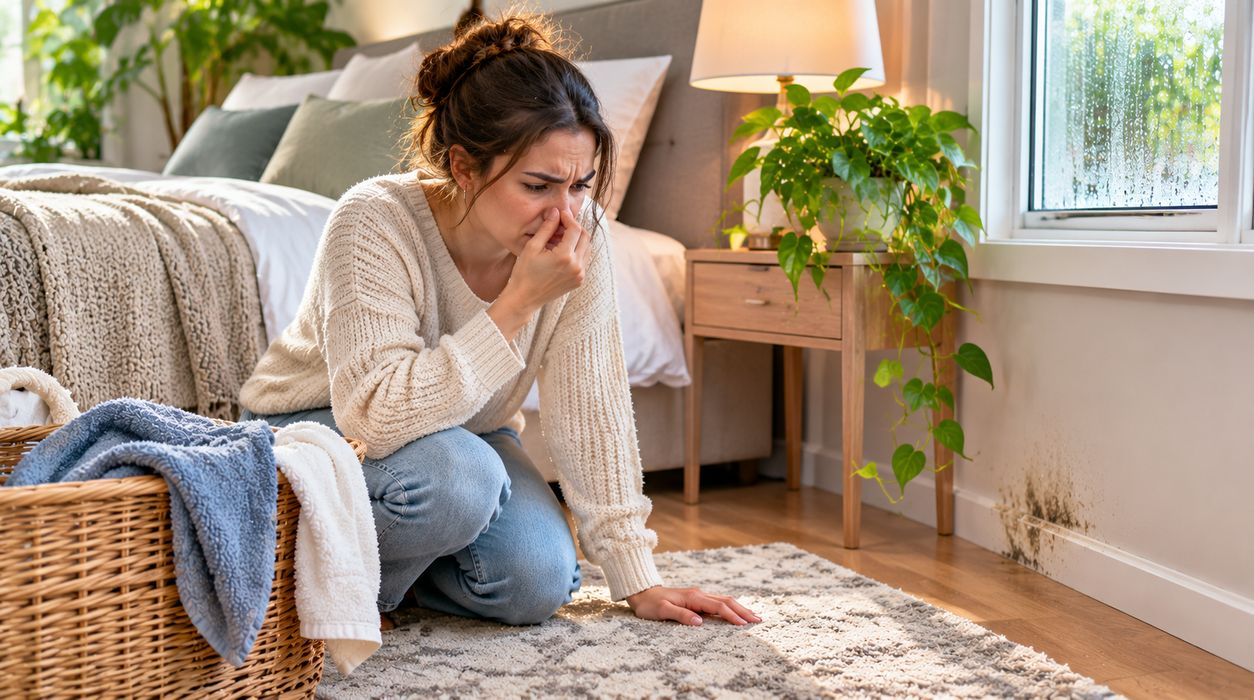
You vacuum the floor, wipe down the furniture, change your bedsheets, and spray a little air freshener. For a while, your bedroom smells clean.
But a few hours later, the unpleasant odor returns.
Sometimes it smells musty. Other times, the room has a sour, stale, sweaty, or mysterious smell that seems impossible to locate.
If you’re wondering why your room smells bad even after cleaning, the problem may not be the visible dirt on your furniture or floor.
Unpleasant room odors often come from hidden moisture, dirty fabrics, poor ventilation, accumulated dust, pet-related materials, or other sources that routine surface cleaning does not address.
The good news is that many everyday room odors can be reduced once you identify their actual source.
This guide explains 12 common causes of persistent bedroom smells, how to locate hidden odor sources, and practical ways to make your room smell fresher for longer.
Quick Answer: Why Does My Room Smell Bad Even After Cleaning?
A room may continue smelling unpleasant after cleaning because the source of the odor has not been removed.
Common causes include:
- Poor ventilation and stale indoor air
- Damp bedding, towels, or clothing
- Hidden mold or moisture problems
- Dirty carpets and rugs
- Sweat and body oils trapped in mattresses
- Forgotten food or trash
- Pet bedding and accidents
- Dirty air-conditioning equipment
- Musty closets and storage areas
- Odors from shoes and laundry hampers
- Strong cleaning products and fragrances
- Plumbing or drainage problems
The best first step is to identify the smell rather than covering it with perfume.
Check soft furnishings, laundry, hidden corners, ventilation, and moisture sources. Once you find the cause, you can choose a more effective solution.
1. Your Room Has Poor Ventilation
Poor ventilation is one of the most common reasons a room smells stale.
Bedrooms can contain numerous odor sources, including clothing, bedding, furniture, personal care products, and everyday human activity.
When air circulation and fresh-air exchange are limited, odors may linger.
Why Does a Closed Bedroom Smell Bad?
A closed room may accumulate airborne substances released from fabrics, furnishings, cleaning products, and other indoor sources.
Without adequate ventilation, these substances may remain in the room longer.
This can make the air smell stuffy even when visible surfaces are clean.
How to Improve Bedroom Ventilation
Try the following:
- Open windows when outdoor air quality and weather conditions are suitable.
- Use existing ventilation systems properly.
- Keep supply and return air vents unobstructed.
- Use exhaust ventilation in nearby bathrooms where appropriate.
- Check whether your HVAC system is operating correctly.
A fan can help move air, but a fan that simply circulates indoor air does not necessarily remove the source of an odor.
According to the U.S. Environmental Protection Agency’s indoor air quality guidance, controlling pollution sources and improving ventilation are important ways to address indoor air quality problems.
Should You Leave Your Bedroom Window Open All Day?
Not necessarily.
Outdoor air can contain pollution, pollen, smoke, or excessive humidity.
Choose ventilation methods based on outdoor conditions and the needs of your home.
2. Your Bedding Holds Sweat and Body Oils
Your bed is one of the largest fabric-covered surfaces in your room.
Sheets, pillowcases, blankets, and mattress covers can absorb sweat, skin oils, and other substances during everyday use.
Over time, these materials may develop odors.
Why Does My Bedroom Smell Sweaty?
If the smell is strongest near your bed, bedding may be contributing.
Even clean-looking sheets can contain substances that affect their odor.
How to Fix Bedding Odors
- Wash sheets and pillowcases regularly.
- Follow care instructions for blankets and comforters.
- Use washable pillow and mattress protectors.
- Allow bedding to dry completely before making the bed.
- Check pillows for persistent odors.
- Avoid storing damp bedding.
How Often Should You Wash Bedsheets?
A weekly schedule is a practical starting point for many households, although the ideal frequency depends on sweating, pets, allergies, and personal circumstances.
If you notice an odor before your usual wash day, wash the affected bedding sooner.
3. Hidden Moisture or Mold Is Causing a Musty Smell
A persistent musty smell may indicate a moisture problem.
Mold can grow in damp materials, including drywall, carpet, upholstery, wood, and other porous surfaces.
It may develop behind furniture or in places that are not immediately visible.
Where Should You Check?
Inspect areas such as:
- Behind wardrobes and dressers
- Around windows
- Under carpets
- Beneath beds
- Near air-conditioning units
- Around plumbing
- Behind furniture placed against exterior walls
Look for water stains, condensation, discoloration, dampness, or visible growth.
Why Does Cleaning Not Remove the Smell?
Wiping furniture will not solve an odor caused by moisture trapped behind a wall or underneath flooring.
The moisture source must be addressed.
The CDC’s guidance on mold in homes explains that mold can have a musty smell and that effective prevention requires controlling moisture and repairing leaks.
How to Fix a Moisture Problem
Start by identifying the source.
Repair leaks, improve drying conditions, and address affected materials appropriately.
For extensive contamination, recurring water damage, or situations involving vulnerable occupants, professional assessment may be necessary.
Avoid disturbing large areas of suspected mold without appropriate precautions.
4. Your Carpet or Rug Is Holding Odors
Carpets and rugs can absorb spills, moisture, pet-related substances, and other materials.
These substances may remain below the visible surface.
Vacuuming removes loose particles, but it does not necessarily remove every odor-producing substance.
Why Does My Carpet Smell After Cleaning?
Several possibilities exist:
- The carpet was not dried thoroughly.
- A spill reached the padding.
- Pet urine remains below the surface.
- Cleaning product residue was left behind.
- The underlying floor has a moisture problem.
How to Remove Carpet Odors
- Identify any spills or stains.
- Check for dampness.
- Vacuum thoroughly.
- Use a carpet-compatible cleaning method.
- Avoid oversaturating the material.
- Dry the carpet completely.
If an odor remains after cleaning, the carpet padding or underlying floor may require attention.
Can Baking Soda Fix Every Carpet Smell?
No.
Baking soda may help with certain odors, but it cannot reliably resolve deep contamination, persistent moisture, or mold.
It may also be unsuitable for some carpet materials or vacuum cleaners.
Follow the manufacturer’s recommendations.
5. Your Mattress Has Absorbed Odors
Mattresses can accumulate sweat, body oils, moisture, and other substances over time.
Because most mattresses cannot be washed like ordinary bedding, odors may persist.
Signs the Mattress Is the Problem
You might notice:
- A stronger smell near the bed
- Odors that return after changing sheets
- Visible stains
- Damp areas
- A musty smell beneath the mattress
How to Freshen a Mattress Safely
- Remove and wash compatible bedding.
- Inspect the mattress for dampness or stains.
- Vacuum the surface if recommended by the manufacturer.
- Use only approved spot-cleaning methods.
- Allow complete drying.
- Use a washable mattress protector.
Avoid saturating a mattress with water or cleaning solution.
Moisture trapped inside can create additional problems.
When Should You Replace a Mattress?
Replacement may be appropriate when a mattress has extensive contamination, persistent moisture damage, or deterioration that cannot be safely corrected.
6. Dirty Laundry Is Making Your Room Smell Sour
A laundry hamper can become a hidden odor source.
Sweaty clothes, damp towels, gym clothes, and used socks may develop unpleasant smells when stored together.
This is especially likely when moisture remains trapped in a closed container.
Why Does Dirty Laundry Smell So Strong?
Clothing absorbs sweat, skin oils, and environmental substances.
When damp garments remain piled together, odor-producing microorganisms may persist or multiply under favorable conditions.
How to Prevent Laundry Odors
- Avoid leaving wet towels in a pile.
- Let damp clothing dry before placing it in a hamper if it cannot be washed promptly.
- Wash heavily soiled items regularly.
- Clean the laundry hamper.
- Keep the storage area ventilated.
- Avoid storing dirty laundry beneath your bed.
If clothes still smell unpleasant after washing, see Grandloopy’s related guide, Why Do Clothes Smell Musty After Washing?.
Publishing note: Confirm that this internal article URL is live before publishing.
7. Dust and Hidden Debris Are Contributing to the Odor
Dust itself does not always have a noticeable smell.
However, dust can contain organic materials and accumulate alongside other substances.
Hidden debris, food particles, pet hair, and dirty fabrics may contribute to unpleasant conditions.
Places People Often Forget to Clean
- Under the bed
- Behind nightstands
- Under dressers
- Along baseboards
- Inside closets
- Behind curtains
- Around ventilation grilles
How to Clean Hidden Areas
Move lightweight furniture when safe.
Use a vacuum with effective filtration and clean hard surfaces using appropriate methods.
Avoid spreading dust with aggressive dry sweeping.
Why Does Dust Return So Quickly?
Bedding, clothing, outdoor air, pets, and everyday activity continuously introduce particles into bedrooms.
Read Grandloopy’s Why Does My Bedroom Get Dusty So Quickly? for a detailed explanation of common bedroom dust sources.
Publishing note: Verify the published URL before activating this link.
8. Your Pet’s Bedding or an Old Accident Is Causing the Smell
Pets can contribute to bedroom odors through bedding, fur, saliva, and accidents.
An old urine stain may continue producing odors even when the surface looks clean.
How to Identify Pet-Related Odors
Check:
- Pet beds
- Rugs
- Upholstered furniture
- Mattress edges
- Floor corners
- Areas beneath furniture
How to Fix Pet Odors
Wash pet bedding according to its instructions.
For accidents, use a cleaner suitable for the affected surface and safe for your pets.
Some enzyme-based products are formulated to break down specific organic residues.
Follow product directions and allow the area to dry thoroughly.
Avoid applying strong fragrances or unapproved chemicals around animals.
If an odor persists beneath flooring or upholstery, professional cleaning may be necessary.
9. Your Air Conditioner or HVAC System Needs Maintenance
Air-conditioning equipment and ventilation systems can contribute to indoor odors when they contain moisture, residue, or other contamination.
A clogged condensate drain, dirty components, or standing water may be involved.
Why Does My Room Smell When the AC Turns On?
Possible explanations include:
- Moisture in the system
- Contaminated condensate components
- Dust on accessible surfaces
- Air being drawn from another odor source
- Maintenance problems
A musty smell that appears primarily when the system operates deserves further investigation.
What Should You Do?
- Check the air filter according to the manufacturer’s instructions.
- Inspect accessible areas for obvious moisture.
- Confirm that condensate drainage is functioning.
- Keep vents unobstructed.
- Arrange professional service when needed.
Do not open sealed electrical components or attempt unsafe repairs.
If you notice a burning smell, smoke, or signs of electrical overheating, stop using the equipment and seek qualified assistance.
For more household technology troubleshooting, explore Grandloopy’s AI & Technology category.
10. Your Closet, Shoes, or Storage Boxes Smell Musty
Closets often have limited airflow.
They may contain shoes, clothing, bags, cardboard boxes, and fabrics that absorb moisture or odors.
Why Does My Closet Smell Bad?
Common causes include:
- Damp clothing
- Sweaty shoes
- Poor ventilation
- Moisture near exterior walls
- Old cardboard storage boxes
- Dirty fabrics
- Hidden leaks
How to Remove Closet Odors
Remove the contents and inspect the space.
Check for dampness or visible mold.
Clean compatible surfaces and allow them to dry.
Wash or clean affected items appropriately.
Avoid returning damp materials to storage.
What About Shoes?
Shoes can retain sweat and odor-producing substances.
Allow shoes to dry between uses and follow the manufacturer’s cleaning instructions.
Do not use harsh chemicals or excessive heat on delicate footwear.
11. Your Cleaning Products Are Creating an Unpleasant Smell
Sometimes a room smells worse immediately after cleaning because of the products used.
Strong fragrances, solvents, and other volatile ingredients may linger in indoor air.
A powerful scent is not proof that a room is clean.
Why Does My Room Smell Chemical After Cleaning?
Possible causes include:
- Strongly scented sprays
- Cleaning-product residue
- Poor ventilation
- Recently applied furniture polish
- Fragranced air fresheners
- Improper product use
The EPA’s indoor air quality guide explains that household cleaning products and air fresheners can release volatile organic compounds into indoor air.
How to Reduce Cleaning-Product Odors
- Follow product labels.
- Use only the amount required.
- Provide suitable ventilation.
- Avoid unnecessary fragrance layering.
- Store chemicals securely.
- Choose less irritating products when appropriate.
Never mix household cleaning chemicals unless the product instructions explicitly direct you to do so. In particular, never mix chlorine bleach with ammonia or acids.
12. A Drain or Plumbing Problem Is Producing the Odor
Sometimes a smell that seems to come from a bedroom actually originates in a nearby bathroom, utility area, or plumbing system.
Drainage problems can produce unpleasant odors.
Possible Plumbing-Related Sources
These may include:
- Dry drain traps
- Blocked drains
- Plumbing leaks
- Faulty drain connections
- Sewer-gas entry
How to Recognize the Problem
Notice whether the odor is stronger near:
- Bathroom doors
- Floor drains
- Sinks
- Plumbing walls
- Utility closets
What Should You Do?
If a rarely used drain appears to be the source, consult the fixture’s maintenance guidance.
For persistent sewage-like odors, suspected leaks, or unknown plumbing problems, contact a qualified plumber.
Do not attempt to mask a potentially serious plumbing problem with air freshener.
If you suspect a natural gas leak, leave the area and contact your gas utility or emergency services from a safe location. Do not operate switches or appliances nearby.
How to Find the Source of a Bad Room Smell
When an odor keeps returning, a systematic inspection is more useful than repeatedly spraying fragrance.
Step 1: Identify the Type of Smell
Try to describe it accurately.
Is it:
- Musty?
- Sour?
- Sweaty?
- Rotten?
- Chemical?
- Sewage-like?
- Burning?
The odor category can help narrow the possible sources, although smell alone cannot reliably identify a hazardous substance.
Step 2: Notice When the Smell Appears
Ask yourself:
- Is it strongest in the morning?
- Does it appear after rain?
- Does it start when the AC turns on?
- Is it worse after cleaning?
- Does it occur when windows are closed?
These patterns can provide useful clues.
Step 3: Check Fabrics First
Inspect bedding, laundry, curtains, carpets, and upholstery.
These materials commonly absorb odors.
Step 4: Inspect Moisture-Prone Areas
Look around windows, plumbing, exterior walls, and beneath furniture.
Step 5: Check Hidden Storage
Inspect closets, shoes, hampers, boxes, and rarely cleaned corners.
Step 6: Evaluate Ventilation
Determine whether fresh-air exchange and mechanical ventilation are functioning appropriately.
Step 7: Address the Source
Once you identify the cause, clean, repair, dry, or remove the affected material as appropriate.
How to Make Your Room Smell Fresh Naturally
You do not necessarily need scented sprays or candles to maintain a pleasant room.
The most effective approach focuses on cleanliness, moisture control, and ventilation.
Wash Fabrics Regularly
Clean sheets, pillowcases, blankets, and washable curtains according to their care instructions.
Keep Laundry Dry
Avoid leaving damp towels or clothes in closed containers.
Improve Ventilation
Use suitable ventilation methods when outdoor conditions allow.
Control Moisture
Repair leaks and maintain appropriate indoor humidity.
Remove Trash Promptly
Do not leave food waste or dirty containers in your bedroom.
Maintain Cleaning Equipment
Dirty vacuum filters, mop heads, and cleaning cloths can transfer odors or residue.
Avoid Excessive Fragrance
Strong scents may temporarily cover odors without resolving the source.
Can an Air Purifier Remove Bad Smells?
An air purifier may help with some airborne pollutants, but effectiveness depends on the technology and the specific odor source.
HEPA Filters
HEPA filters are designed primarily to capture airborne particles.
They are not generally designed to remove gases and odors by themselves.
Activated Carbon Filters
Some air cleaners include activated carbon or other sorbent materials intended to reduce certain gases and odors.
Performance varies by filter design, amount of sorbent, airflow, and the substances involved.
What an Air Purifier Cannot Fix
An air purifier cannot repair a leak, clean a contaminated carpet, or remove mold growing inside a wall.
It should supplement source control and ventilation rather than replace them.
Why Does My Room Smell Bad Only at Night?
If your room smells worse at night, consider what changes during that period.
Possible factors include:
- Windows being closed
- Reduced ventilation
- More time spent in the room
- Body heat and moisture from occupants
- Different HVAC operating patterns
- Outdoor conditions changing
Does Sleeping in a Closed Room Cause Odors?
Human activity contributes moisture and other substances to indoor air.
Inadequate ventilation may allow some odors to accumulate.
However, a persistent strong smell should not automatically be attributed to normal occupancy.
Investigate other sources if the odor continues.
Why Does My Bedroom Smell Musty After Rain?
Rainy weather can increase moisture exposure around buildings.
If a room smells musty after rain, check for:
- Window leaks
- Roof leaks
- Damp exterior walls
- Wet carpets
- Poor drainage
- Condensation
- Moisture entering storage areas
A recurring rain-related smell may indicate a building moisture problem.
Cleaning the furniture alone will not correct water intrusion.
Why Does My Room Smell Bad Even With the Window Open?
Opening a window does not guarantee that an odor source has been removed.
For example, a damp carpet can continue producing odors even when outdoor air enters the room.
Outdoor air may also carry smoke, pollution, or other unpleasant smells.
What Should You Do?
Identify the source and address it directly.
Use ventilation as a supporting measure rather than the only solution.
A Simple Bedroom Odor Prevention Routine
Daily
- Remove food waste and trash.
- Keep damp laundry out of closed piles.
- Maintain appropriate ventilation.
- Check for obvious spills.
- Allow wet items to dry.
Weekly
- Wash bedding as needed.
- Vacuum floors and rugs.
- Clean under accessible furniture.
- Inspect laundry hampers.
- Wash pet bedding when appropriate.
Monthly or Periodically
- Inspect HVAC filters.
- Check window areas for moisture.
- Clean closets and storage spaces.
- Inspect under beds.
- Review carpet and upholstery conditions.
- Check for plumbing or ventilation problems.
Adjust the routine based on your home and household needs.
Common Mistakes That Keep a Room Smelling Bad
Mistake 1: Using Air Freshener Instead of Finding the Source
Fragrance may cover an odor temporarily without removing it.
Mistake 2: Cleaning Only Visible Surfaces
Odors can originate beneath carpets, behind furniture, or inside fabrics.
Mistake 3: Ignoring Moisture
Dampness can contribute to persistent musty smells.
Mistake 4: Leaving Wet Towels in the Bedroom
Damp fabrics can develop unpleasant odors.
For related laundry-care advice, see Grandloopy’s Why Do Towels Feel Stiff After Air Drying?.
Publishing note: Verify that the linked article is published at this URL.
Mistake 5: Using Too Many Cleaning Products
Excessive product use can create residue and strong chemical odors.
Mistake 6: Forgetting the Mattress and Pillows
Bedding components can retain odors even when sheets are freshly washed.
Mistake 7: Ignoring Air-Conditioning Maintenance
Moisture and contamination in HVAC components may contribute to smells.
Mistake 8: Assuming Every Musty Smell Is Harmless
Persistent mustiness may indicate a moisture or mold problem that deserves investigation.
Frequently Asked Questions
Why does my room smell bad even though it is clean?
The odor may come from hidden moisture, fabrics, poor ventilation, carpets, laundry, pets, or another source not addressed by routine surface cleaning.
Why does my bedroom smell musty?
Possible causes include damp materials, poor drying conditions, moisture intrusion, or mold.
How can I make my room smell fresh without air freshener?
Remove odor sources, wash fabrics, manage moisture, clean hidden areas, and improve ventilation.
Can a dirty mattress make a bedroom smell?
Yes. Mattresses can retain sweat, body oils, moisture, and other substances that contribute to odors.
Why does my room smell sour?
Sour odors may come from dirty laundry, damp fabrics, spills, pet accidents, or other organic residues.
Does opening a window remove bad smells?
Ventilation can dilute some odors, but persistent sources may continue producing them.
Can dust cause a room to smell?
Dust can accumulate alongside organic materials and other substances, but dust alone is not always the primary odor source.
Why does my room smell worse after cleaning?
Strong cleaning products, damp carpets, incomplete drying, or disturbed odor sources may contribute.
Can an air purifier remove room odors?
Some air cleaners with suitable gas-removal media can reduce certain odors, but they cannot solve every odor problem.
When should I get professional help for a room smell?
Seek qualified assistance for persistent sewage odors, suspected gas leaks, extensive mold, water damage, electrical burning smells, or unexplained odors that continue despite reasonable investigation.
Final Thoughts
If you’re wondering why your room smells bad even after cleaning, remember that a visually clean room can still contain hidden odor sources.
The most common problems involve damp fabrics, poor ventilation, carpets, bedding, pets, storage areas, or moisture-related damage.
Rather than relying on strong fragrances, focus on finding and correcting the underlying cause.
Wash affected fabrics, inspect hidden areas, improve ventilation when appropriate, and repair moisture problems promptly.
A fresh-smelling bedroom is usually the result of effective source control and consistent maintenance—not simply using more cleaning products.
With a systematic approach, you can make your room more comfortable and prevent many recurring household odors.

Ryan Mitchell is a passionate writer and digital content creator dedicated to sharing insightful, engaging, and informative articles across multiple niches. With a strong interest in technology, lifestyle, trending topics, and online media, Ryan Mitchell focuses on delivering well-researched and reader-friendly content that inspires and informs audiences worldwide.