Why Do Your Muscles Feel Sore Two Days After a Workout?
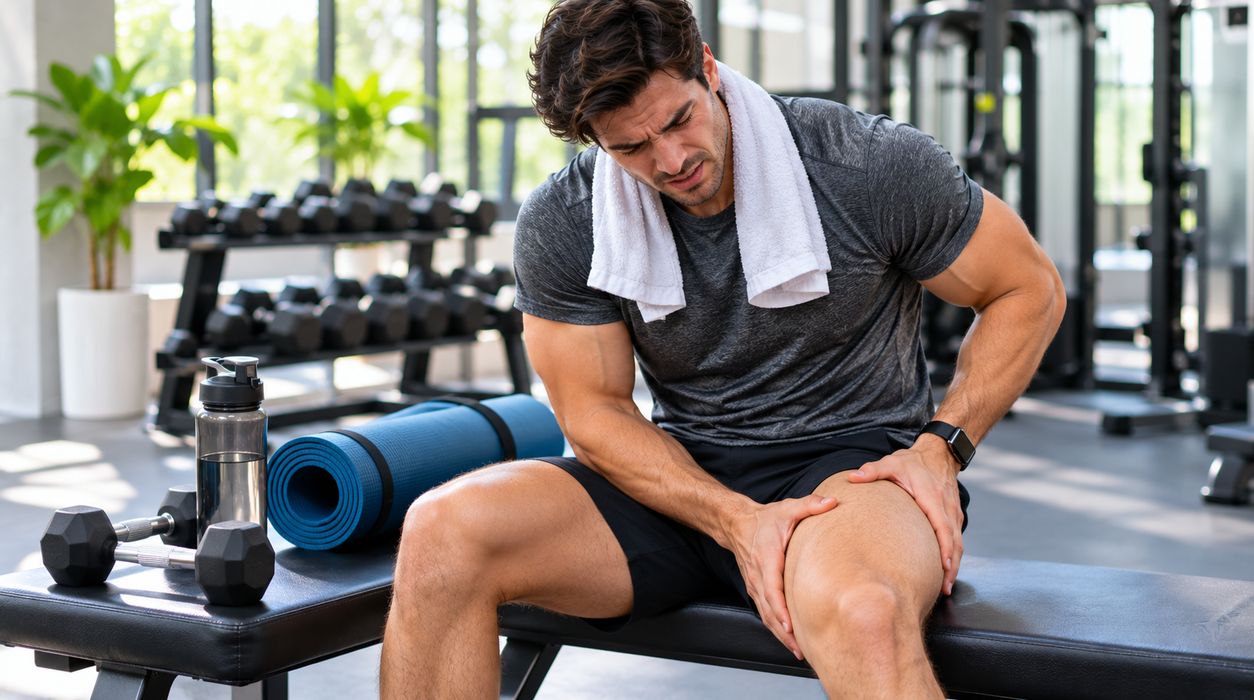
You finish a challenging workout feeling strong and accomplished. The next morning, your legs seem a little stiff, but you can still move comfortably. Then, almost unexpectedly, the soreness becomes more noticeable on the second day.
Walking downstairs feels uncomfortable, sitting down requires extra effort, and even ordinary movements remind you of your previous workout.
If you have experienced this, you may wonder why your muscles are sore two days after a workout instead of immediately afterward.
The most common explanation is delayed onset muscle soreness, usually called DOMS.
DOMS is a temporary response to exercise, particularly when you perform unfamiliar movements, increase workout intensity, or challenge muscles in ways they are not accustomed to.
Although muscle soreness can be uncomfortable, it does not necessarily mean you injured yourself or completed a more effective workout.
Understanding why DOMS happens can help you manage recovery, recognize warning signs, and develop a sustainable exercise routine.
What Is Delayed Onset Muscle Soreness?
Delayed onset muscle soreness is muscle discomfort that develops after physical activity rather than during the workout itself.
It commonly begins within 12 to 24 hours after exercise and may become most noticeable between 24 and 72 hours afterward.
For many people, symptoms gradually improve over several days.
DOMS often follows activities that place unfamiliar demands on muscles, especially exercises involving eccentric muscle contractions.
An eccentric contraction occurs when a muscle produces force while lengthening.
For example, your quadriceps work eccentrically when you lower yourself into a squat or walk downhill.
According to Cleveland Clinic’s overview of delayed onset muscle soreness, DOMS commonly develops after new or particularly challenging exercise and usually resolves with time.
Why Does Muscle Soreness Peak After 48 Hours?
Muscle soreness does not always appear immediately because the processes involved develop over time.
Unaccustomed exercise can produce microscopic changes in muscle fibers and surrounding structures.
The body responds through a series of biological processes involving inflammation, tissue repair, and changes in pain sensitivity.
These responses do not all occur at the same moment.
As a result, soreness may become more noticeable a day or two after the workout.
The First Few Hours
Immediately after exercise, you may experience ordinary muscle fatigue.
Your muscles may feel temporarily weak or heavy because they have been working.
This sensation is different from DOMS.
Around 24 Hours
Tenderness and stiffness may begin to appear.
You might notice discomfort when stretching or contracting the affected muscles.
Around 48 Hours
For some people, soreness becomes more pronounced.
Activities such as climbing stairs or lowering into a chair may feel uncomfortable.
After 72 Hours
Symptoms often begin improving, although recovery varies with exercise intensity, conditioning, and individual factors.
Severe or worsening symptoms should not automatically be considered normal DOMS.
1. Eccentric Exercises Can Trigger More Soreness
Certain exercises are more likely to cause DOMS because of how they load the muscles.
Eccentric movements are a common example.
During these movements, muscles lengthen while resisting force.
Common Examples
- Lowering weights during resistance training
- Walking or running downhill
- Lowering into a squat
- Descending stairs
- Performing controlled lunges
- Landing during certain jumping activities
These movements are normal parts of many exercise programs.
However, suddenly performing a large amount of unfamiliar eccentric work can produce significant soreness.
How to Reduce the Risk
Begin with manageable exercise volume.
Increase resistance, repetitions, or training duration gradually.
Allow your muscles time to adapt before introducing major increases in difficulty.
2. New Workouts Challenge Unfamiliar Muscles
You do not need to be a beginner to experience DOMS.
Even experienced athletes can become sore after changing their training routines.
For example, someone who regularly cycles may develop significant leg soreness after trying weighted lunges.
Although both activities involve the lower body, they challenge muscles differently.
Why Exercise Variety Matters
Different movements place different demands on muscles and connective tissues.
A new exercise may involve unfamiliar ranges of motion, loading patterns, or movement speeds.
Your body needs time to adapt.
Avoid Doing Too Much on the First Day
When beginning a new workout program, start conservatively.
Focus on learning proper technique.
You can gradually increase difficulty as your strength, confidence, and tolerance improve.
3. Muscle Soreness Is Not Caused by Trapped Lactic Acid
A common fitness myth claims that muscle soreness two days after exercise is caused by lactic acid remaining in the muscles.
This explanation is inaccurate.
Lactate is produced during normal metabolism and can be used by the body as an energy source.
It does not remain trapped in muscles for days and cause DOMS.
Why the Myth Persists
People often associate the burning sensation during intense exercise with soreness afterward.
However, these experiences involve different physiological processes.
The immediate burning sensation during demanding exercise is not the same as delayed muscle soreness.
What Actually Causes DOMS?
DOMS involves responses to unfamiliar muscle loading, including microscopic tissue changes, inflammation-related signaling, and increased sensitivity.
The exact mechanisms are complex and continue to be studied.
4. Does Muscle Soreness Mean Your Workout Was Effective?
Not necessarily.
Many people assume that a workout is only successful if they feel sore afterward.
But soreness is not a reliable measure of muscle growth, strength improvement, or workout quality.
You can make meaningful fitness progress without experiencing DOMS.
Why Beginners Often Feel More Sore
People beginning a new exercise routine may experience greater soreness because their muscles are not yet accustomed to the movements.
As training continues, the same exercises often produce less soreness.
This adaptation is sometimes called the repeated-bout effect.
Less Soreness Does Not Mean Less Progress
A consistent training program can improve strength, endurance, and physical fitness without creating significant discomfort after every session.
Progress is better evaluated through performance, appropriate training progression, and overall well-being.
5. How Long Does DOMS Usually Last?
Mild to moderate DOMS commonly improves within a few days.
Some people may experience symptoms for approximately three to five days, especially after an unfamiliar or demanding workout.
However, the duration varies.
Factors that influence recovery may include:
- Exercise intensity
- Training experience
- Muscle groups involved
- Exercise volume
- Individual recovery capacity
- Sleep and general health
If soreness is unusually severe, continues worsening, or persists beyond the expected recovery period, consider medical evaluation.
6. Should You Exercise When Your Muscles Are Sore?
Mild muscle soreness does not always require complete inactivity.
Gentle movement may be comfortable and can help you maintain normal mobility.
However, training intensely through significant pain is not advisable.
When Light Activity May Be Appropriate
If soreness is mild and you can move normally, consider:
- Comfortable walking
- Easy cycling
- Gentle mobility exercises
- Light activity involving different muscle groups
Adjust activity according to your symptoms.
When to Rest
Take a break from demanding exercise if pain affects your movement, balance, or ability to use proper technique.
For example, if your quadriceps are extremely sore after squats, another intense leg workout may not be appropriate immediately.
Do Not Ignore Sharp Pain
DOMS usually causes generalized tenderness or stiffness in muscles that were exercised.
Sudden sharp pain, significant swelling, or pain concentrated around a joint may suggest a different problem.
Seek appropriate medical advice rather than assuming every post-workout symptom is normal.
7. Does Stretching Help Muscle Soreness?
Stretching can help maintain flexibility and may temporarily improve comfort for some people.
However, research does not consistently show that stretching before or after exercise meaningfully prevents DOMS.
Gentle Stretching May Feel Comfortable
If stretching provides relief, use controlled movements within a comfortable range.
Avoid forcing a sore muscle into a painful position.
Stretching Is Not a Guaranteed Treatment
Stretching should not be presented as a method that completely prevents or eliminates muscle soreness.
A balanced recovery routine may include gentle movement, adequate rest, and gradual training progression.
8. Can Massage and Foam Rolling Help?
Massage and foam rolling are popular recovery techniques.
Some research suggests they may temporarily reduce perceived soreness in certain situations.
However, results vary, and neither technique guarantees faster tissue repair.
Foam Rolling
A foam roller applies pressure to soft tissues.
Some people find it helpful for temporary stiffness or discomfort.
Use moderate pressure and avoid rolling directly over an acutely injured area.
Massage
Gentle massage may improve comfort.
However, deep pressure over extremely painful muscles can make symptoms worse.
Avoid aggressive massage if you have significant swelling, unexplained severe pain, or suspected injury.
9. Why Sleep Matters for Exercise Recovery
Sleep supports many physiological processes involved in health and recovery.
Insufficient sleep may affect physical performance, mood, and perceived fatigue.
A regular sleep schedule is therefore an important part of a sustainable fitness routine.
How Much Sleep Do Active Adults Need?
Most adults generally need seven to nine hours of sleep, although individual needs vary.
The CDC’s sleep guidance emphasizes adequate sleep and consistent sleeping habits.
Build a Realistic Routine
Try maintaining similar bedtime and wake-up times.
Keep your bedroom comfortable and reduce unnecessary nighttime interruptions.
For a related discussion of consistent habits, Grandloopy’s article on constant versus consistent explains the difference between continuous activity and maintaining a reliable routine.
A recovery schedule should be consistent rather than excessively rigid.
10. Nutrition and Hydration During Muscle Recovery
Balanced nutrition supports normal exercise recovery.
Your body needs sufficient energy and nutrients to maintain and repair tissues.
Protein
Protein provides amino acids used in muscle protein synthesis.
Common sources include eggs, fish, poultry, dairy products, tofu, beans, and lentils.
Most recreational exercisers can meet their nutritional needs through an appropriately balanced diet.
Carbohydrates
Carbohydrates help replenish glycogen, an important stored energy source used during exercise.
Whole grains, fruits, potatoes, and other carbohydrate-containing foods can contribute.
Hydration
Fluid needs depend on exercise intensity, duration, environmental conditions, and individual factors.
Drink appropriately before, during, and after exercise.
Dehydration can affect performance and well-being, but drinking excessive amounts of water is not a treatment for DOMS.
Do You Need Supplements?
Most people do not need specialized recovery supplements solely because their muscles are sore.
Supplements should not replace adequate food, rest, and appropriate training.
Consult a qualified professional before using products that may interact with medications or existing health conditions.
11. Can Walking Help Sore Muscles?
Gentle walking may temporarily reduce the sensation of stiffness for some people.
Movement increases circulation and allows muscles and joints to move through comfortable ranges.
However, walking does not directly eliminate the biological processes responsible for DOMS.
Keep the Intensity Low
Choose a comfortable pace.
Avoid long or strenuous walks if your legs are extremely sore.
Listen to Your Body
If movement increases pain, reduce the activity or rest.
Recovery should not become another demanding workout.
12. Hot Baths vs. Cold Therapy for Muscle Soreness
Both warmth and cold are commonly used for post-exercise discomfort.
Their benefits depend on individual circumstances.
Warmth
A comfortably warm shower or bath may help some people feel less stiff.
Avoid excessively hot water, especially if you feel dizzy or unwell.
Cold Therapy
Cold applications may temporarily reduce discomfort.
Use a protective layer between a cold pack and your skin, and avoid prolonged exposure.
Cold-water immersion is sometimes used in athletic recovery, but evidence and suitability vary.
Neither heat nor cold should be considered a guaranteed solution for DOMS.
13. How to Prevent Severe Muscle Soreness
It is not always possible to prevent DOMS completely.
However, gradual training progression can reduce the likelihood of excessive soreness.
Start With Manageable Workouts
Avoid performing the maximum possible number of repetitions during your first session.
Increase Intensity Gradually
Build training volume over time.
Learn Proper Exercise Technique
Good technique can help reduce unnecessary strain and improve exercise efficiency.
Allow Recovery Time
Schedule demanding sessions so that heavily exercised muscles have appropriate recovery opportunities.
Maintain Regular Activity
Consistent training allows your body to adapt to familiar exercises.
Grandloopy’s article on attend versus tend includes examples of regular gym attendance and habitual activities.
For fitness, establishing a manageable exercise habit is more useful than completing an extremely difficult workout only occasionally.
14. When Muscle Soreness May Be a Warning Sign
Most DOMS is temporary.
However, some symptoms require prompt medical attention.
Possible Signs of Injury
Seek medical evaluation if you experience:
- Sudden sharp pain during exercise
- Significant swelling
- Severe pain concentrated in one location
- Inability to bear weight
- Persistent loss of normal movement
- Symptoms that worsen rather than improve
Rhabdomyolysis: A Rare but Serious Condition
Rhabdomyolysis involves severe muscle breakdown and can occur after extreme exertion, among other causes.
Warning signs may include severe muscle pain, pronounced weakness, swelling, and dark or cola-colored urine.
According to the CDC’s rhabdomyolysis guidance, this condition requires prompt medical evaluation.
If you develop concerning symptoms after strenuous exercise, seek urgent medical care.
Do not assume dark urine or extreme weakness is ordinary post-workout soreness.
15. Muscle Soreness vs. Muscle Injury
Understanding the difference can help you make safer decisions.
| Feature | Typical DOMS | Possible Injury |
|---|---|---|
| Onset | Usually delayed | May occur suddenly |
| Sensation | Generalized tenderness | May be sharp or localized |
| Location | Muscles used during exercise | Specific muscle, tendon, or joint |
| Progression | Usually improves over days | May persist or worsen |
| Movement | Stiff but often possible | May be significantly limited |
This comparison is not a diagnostic tool.
Some injuries can also produce delayed symptoms.
If you are uncertain, a healthcare professional can evaluate the problem.
16. Why Fitness Beginners Should Focus on Consistency
New exercisers sometimes believe that soreness proves they are working hard enough.
This mindset can encourage unnecessarily intense workouts.
A better strategy is to establish a manageable routine.
For example, two or three appropriately planned strength-training sessions per week may be more sustainable for some beginners than attempting demanding daily workouts.
The right schedule depends on fitness level, goals, health, and recovery.
Measure Progress Differently
Instead of judging success by soreness, track:
- Exercise technique
- Strength improvements
- Repetition quality
- Comfortable movement
- Workout consistency
- Overall energy
Grandloopy’s reinforce versus reenforce article uses strength training as an example of reinforcing stability.
In practical fitness terms, appropriately progressive strength training can support muscular fitness and physical function.
17. Does Muscle Soreness Mean You Are Building Muscle?
Muscle growth, also called hypertrophy, occurs through adaptations to resistance training over time.
DOMS may accompany unfamiliar training, but it is not required for hypertrophy.
You can build strength and muscle while experiencing little soreness.
What Actually Matters?
Important factors include appropriate resistance, progressive training, adequate nutrition, and recovery.
Exercise selection and consistency also influence results.
Avoid Chasing Pain
A workout should challenge you appropriately without requiring severe discomfort afterward.
If you are repeatedly too sore to complete normal activities, your program may need adjustment.
18. How to Plan Your Next Workout After DOMS
When soreness appears, assess how it affects your movement.
If symptoms are mild, you may be able to continue training with appropriate modifications.
If soreness is substantial, consider reducing intensity or focusing on less-affected muscle groups.
Example Recovery Approach
Day 1: Complete a new or challenging workout.
Day 2: Assess soreness and consider gentle movement.
Day 3: Continue recovery or perform an appropriately modified workout.
Day 4: Resume more demanding activity when movement and comfort have sufficiently improved.
This is only an illustrative schedule.
Recovery timing varies, and some people need more time.
Use Clear Exercise Instructions
When following a training plan, clear wording matters.
Grandloopy’s article on connecter versus connector discusses terminology used for equipment connections.
Although it is a language guide rather than a fitness resource, understanding equipment terminology can help when reading instructions for connected fitness devices.
19. How Technology Can Help Track Recovery
Fitness watches and training apps can record workout frequency, heart rate, and other activity-related information.
These tools may help identify patterns in training volume.
However, they cannot directly diagnose DOMS or reliably determine whether a muscle is fully recovered.
Useful Information to Track
- Workout type
- Exercise duration
- Training intensity
- Sleep duration
- Perceived soreness
- Overall energy
Avoid Overinterpreting Recovery Scores
Consumer devices use estimates and algorithms.
A recovery score should not override significant pain, unusual weakness, or other concerning symptoms.
Your symptoms and functional ability remain important.
20. Building a Long-Term Recovery Routine
Successful exercise habits involve balancing training and recovery.
A sustainable routine should include appropriately challenging workouts, sufficient sleep, balanced nutrition, and manageable rest periods.
You do not need to eliminate all soreness.
Instead, aim to avoid excessive discomfort that interferes with normal life.
Focus on Gradual Improvement
Increase exercise difficulty according to your ability.
Recognize Normal Adaptation
Familiar workouts often cause less soreness as your body adapts.
Prioritize Health Over Intensity
Exercise should support long-term physical well-being rather than create repeated episodes of severe pain.
Frequently Asked Questions
Why are my muscles more sore two days after working out?
Delayed onset muscle soreness often becomes most noticeable 24 to 72 hours after unfamiliar or demanding exercise. Biological responses to muscle loading develop over time.
Is it normal to be sore 48 hours after a workout?
Yes, mild to moderate muscle soreness around 48 hours can be typical of DOMS. Severe, worsening, or unusual symptoms should be medically evaluated.
Should I work out if my muscles are still sore?
Light activity may be appropriate for mild soreness. Avoid intense exercise that causes significant pain or prevents proper movement.
Does soreness mean muscle growth?
No. Muscle soreness is not a reliable indicator of muscle growth or workout effectiveness.
How can I relieve muscle soreness faster?
Gentle movement, adequate rest, comfortable recovery techniques, and appropriate nutrition may help manage symptoms. No single method guarantees immediate recovery.
Can stretching prevent DOMS?
Research does not consistently support stretching as an effective way to prevent delayed onset muscle soreness.
When should I worry about post-workout soreness?
Seek medical care for severe pain, marked swelling, weakness, dark urine, or symptoms that worsen instead of improving.
Final Thoughts
Muscle soreness two days after a workout is often explained by delayed onset muscle soreness.
It commonly occurs when muscles experience unfamiliar loading, particularly during eccentric movements.
Although DOMS can be uncomfortable, it is usually temporary and improves with time.
The most effective approach is to train progressively, allow appropriate recovery, maintain healthy sleep and nutrition habits, and avoid treating soreness as proof of workout success.
Most importantly, recognize the difference between expected muscle tenderness and symptoms that may indicate an injury or serious medical problem.
A successful fitness routine is not measured by how sore you feel afterward.
It is measured by how safely and consistently you can improve your strength, movement, and overall health.

Ryan Mitchell is a passionate writer and digital content creator dedicated to sharing insightful, engaging, and informative articles across multiple niches. With a strong interest in technology, lifestyle, trending topics, and online media, Ryan Mitchell focuses on delivering well-researched and reader-friendly content that inspires and informs audiences worldwide.